3561 NW 53rd Ct. Fort Lauderdale, FL 33309
3561 NW 53rd Ct. Fort Lauderdale, FL 33309


SPECIALIZING IN THE DESIGN, ENGINEERING AND MANUFACTURING OF TITANIUM AND OTHER MODERN METAL PRODUCTS

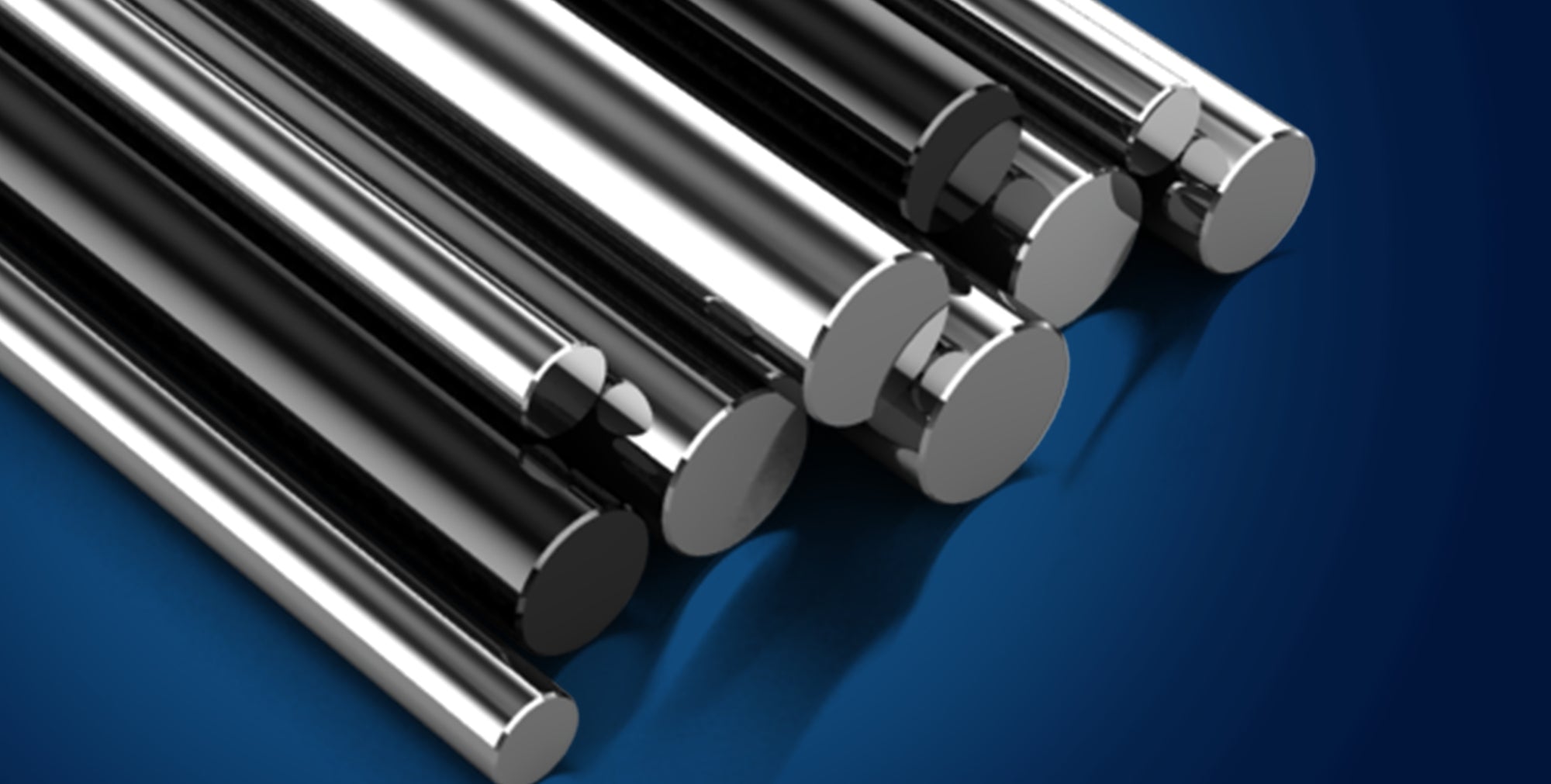
Spectore offers a range of different formats of Grade 2 Titanium that should fit any of your needs. Grade 2 Titanium is considered commercially pure and at a minimum 99% pure titanium. Hypo-allergenic, bio-compatible, and ultra-corrosion are just 3 of its most important characteristics. Grade 2 Titanium exhibits the highest strength-to-weight ratio of any known element.

Spectore's Black Titanium (BlackTi) is an exceptionally hard, sophisticated and popular material. It has similar benefits to Grade 2 Titanium with the added look of a ceramic-like deep black surface. The color is achieved through a proprietary alloy and process delivering a 100% natural finish NOT through any type of applied coating. Immediately following your purchase of any Black Titanium material you will receive an email with instructions on exactly how to process the Black Titanium.

Derived from the centuries old Japanese technique Mokume Gane. Spectore has modernized this process marrying 50% Grade 2 Titanium with 50% Zirconium by fusing them under extreme heat and pressure, delivering the most significant change to lamination of metals in 350 years. Once joined these metals are twisted to create the most amazing patterns. Due to the nature of this material no 2 products will ever be exactly the same.

A multi year collaboration between Spectore Corporation and Carpenter Technology resulted in one of the most advanced Cobalt based materials available. Biodur CCM, as it is known, exhibits similar bio-compatibility to Titanium, higher strength, enhanced fatigue resistance, increased hardness and a finer grain size vs all other Cobalt alloys. These benefits allow for the material to be manufactured to much smaller diameters then was previously possible. Biodur CCM has a very cool and sleek feel on the skin and exhibits a bright white finish comparable to Platinum.

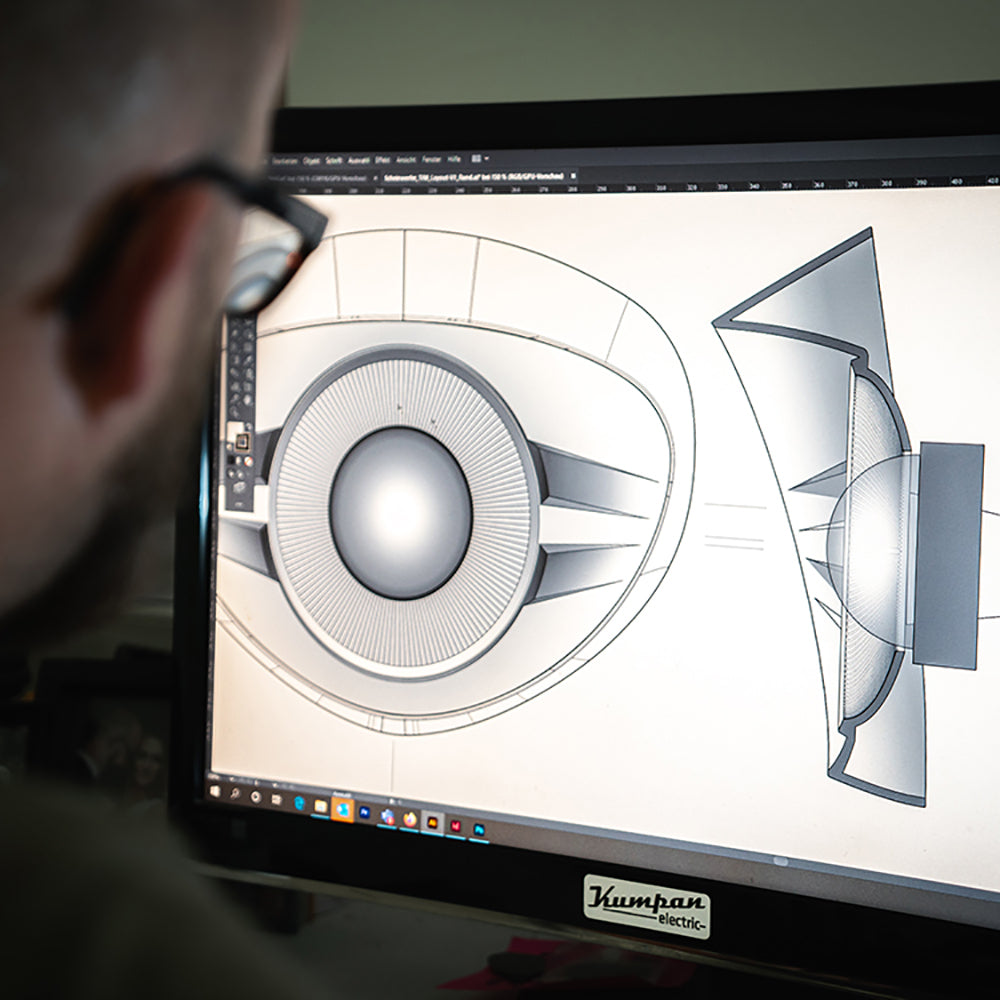
Whether you already have a design or simply have a great idea, Spectore’s designers will use their years of experience to collaborate with you to ensure your design is feasible and manufacturable. Additionally, we can work with you to explore enhancements and improvements for your current products.

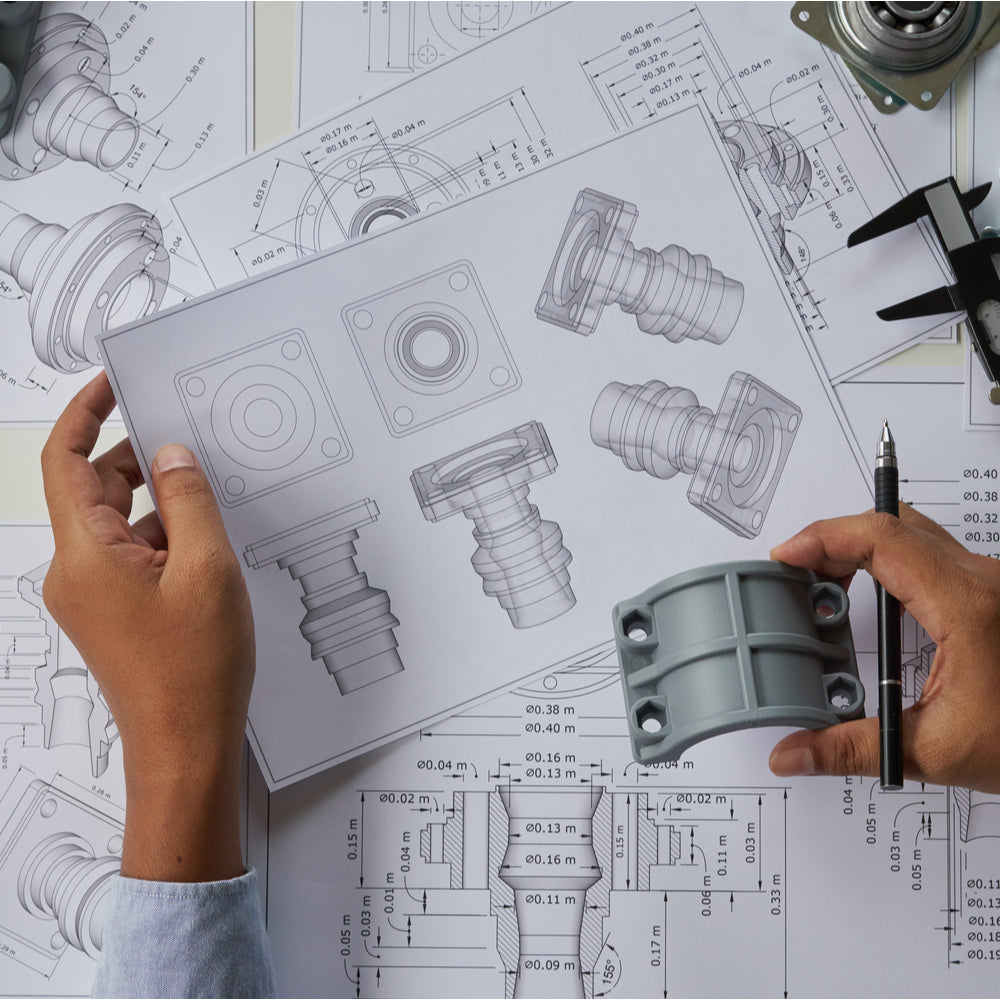
Engineering is the corner stone of what we do at Spectore. This is the very place where art and science intersect to create products that WOW your customers. All of our engineers draw upon a vast background in product engineering which allows us to approach and engineer each project and product with a fresh perspective.

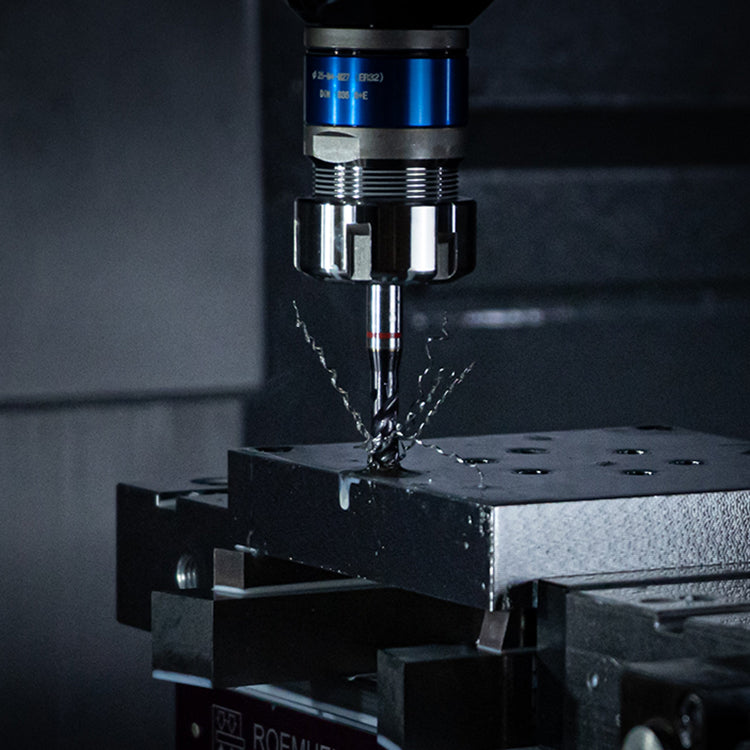
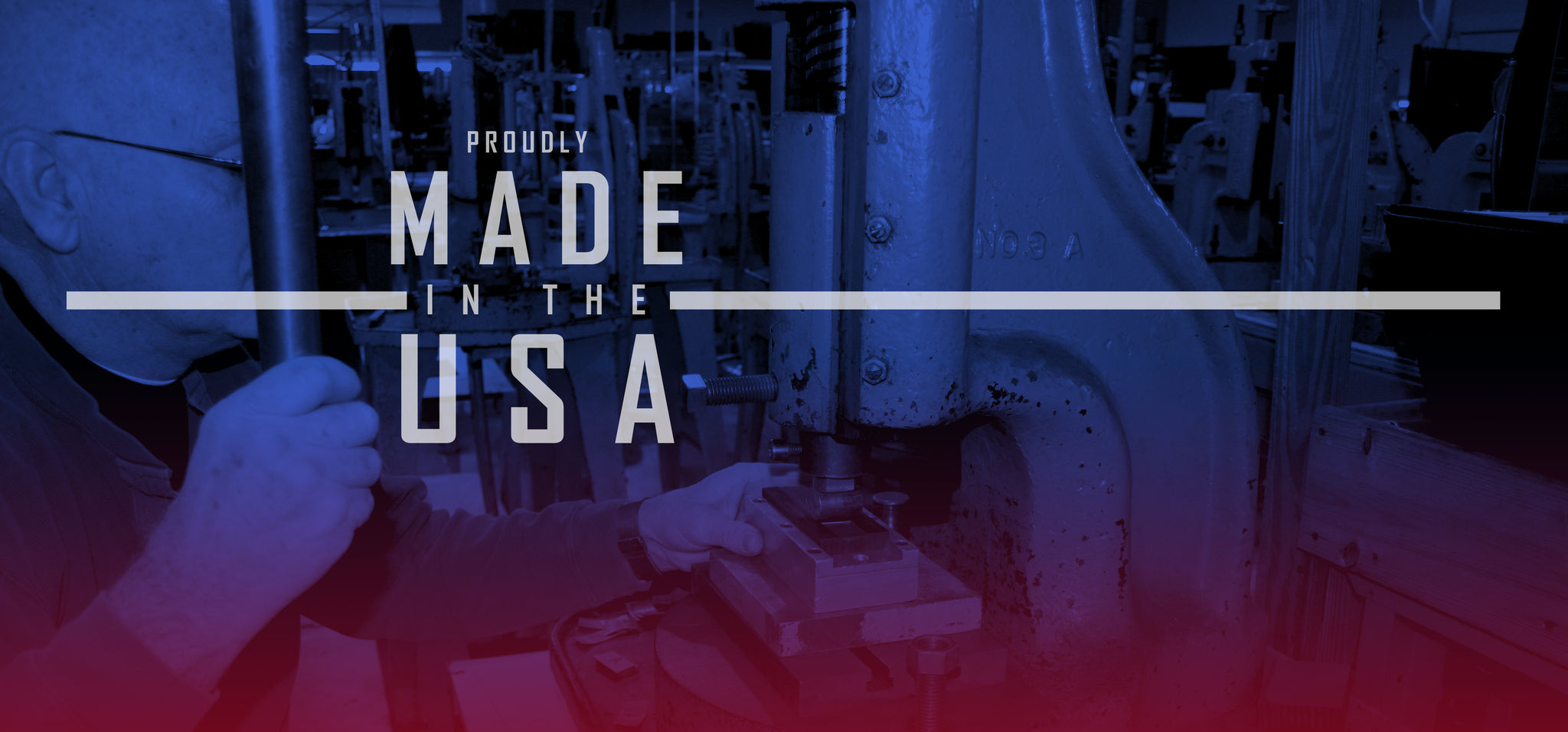
Spectore is the go to manufacturer of titanium products. Our factory in Deerfield Beach, Florida houses the greatest craftsman and the machinery they use to create the world's most exciting products made entirely from titanium and other contemporary metals.


We offer full service machining and provide customized solutions to fit your needs in turning, milling, and drilling. Whether your machining needs are simple or complex, Spectore has the people, equipment and efficiency to meet your unique requirements.


Spectore is the only company in the United States that does short run, small part casting in titanium as well as other contemporary metals. From model making, to mold making, to finished casting; the team at Spectore has more than 35 years of experience perfecting the art of lost wax casting.


Finishing is what makes an excellent product an amazing product. At Spectore we have the experience and the ability to provide a wide range of surface finishes for your products. With the most advanced mass finishing equipment and a team of hand polishers, we pride ourselves on the ability to provide a reliable and repeatable process.


We believe one of the most important parts of the manufacturing process, and sometimes overlooked, is the markings on a product. Whether it be your logo, a serial number, the type of metal, an artistic design or anything else you want, both our laser engravers and our mill engravers are up to the task.


For more than 35 years Spectore has created some of the worlds most interesting products made from titanium. That would not be possible without the exceptional craftsman that spend everyday creating all of the tooling, dies and fixturing needed to form, hold and manipulate the products we create.



















Your products can and likely will take a beating and unfortunately will have a limited lifespan. This is especially true of metals like stainless steel and aluminum. If you are looking to make a superior product using superior materials then you have come to the right place. Fill out our contact form and we will be in touch as quickly as possible.